DollarTabs Ingredient Breakdown: What You Are Actually Chewing
Plenty of people have an opinion on dollartabs. Fewer have actually read what is in one. That gap matters — especially in a supplement category where ingredient transparency is the exception, not the rule, and where the difference between a properly formulated dollartab and a cheap pressed-powder knock-off is invisible until you are trying to understand why one worked and the other did not.
This is a ground-up ingredient breakdown of a dollartab: the active compound, the delivery system, the excipients, the flavoring approach, and what each element contributes to why the dollartab behaves the way it does in your body.
-
12mg Nano 7OH Tablets – 100ct
$100.00 Select options This product has multiple variants. The options may be chosen on the product page -
15mg 7oh / 15mg Pseudo Mint Chocolate – 25ct
$100.00 Add to cart -
18mg 7OH Pink Strawberry
$90.00 Select options This product has multiple variants. The options may be chosen on the product page -
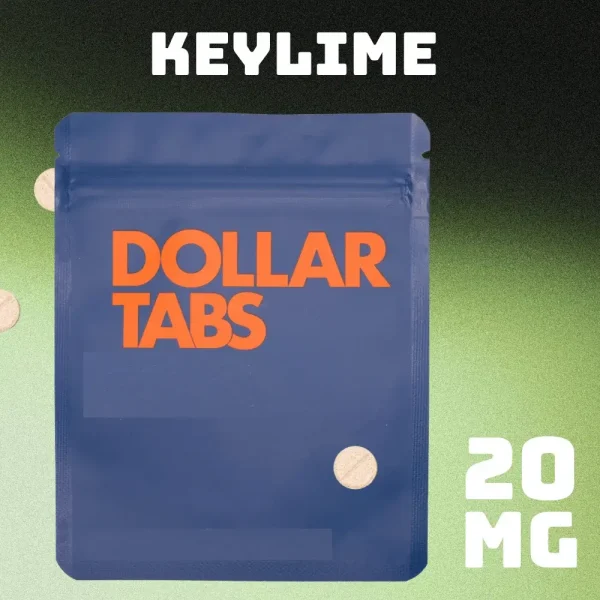
20mg 7OH KEYLIME – 50ct
$100.00 Select options This product has multiple variants. The options may be chosen on the product page

Free shipping
On all orders over $50.00
Return for free
Returns are free 3 days
Secure Payment
Your payments 100% safe
24/7 Support
Contact us anytime want
The Active Compound in Dollartab: 7-Hydroxymitragynine at 12mg
Every dollartab contains 12mg of 7-hydroxymitragynine — the primary active alkaloid in the dollartabs formula. This compound is extracted and concentrated from Mitragyna speciosa, the kratom plant cultivated across Thailand, Malaysia, and Indonesia. In raw dried kratom leaf, this alkaloid exists at trace concentrations — often below 2% of total alkaloid content. In a dollartab, it is isolated and standardized to a precise milligram dose.
The compound binds to mu-opioid receptors in the brain, which accounts for the effects users commonly report: relaxation, mood elevation, and physical ease. It also inhibits the CYP3A4 metabolic enzyme pathway, which is why any buyer on prescription medications — particularly antidepressants, antifungals, or anticoagulants — needs a pharmacist consultation before their first dollartab, not after.
At 12mg per dollartab, the dose sits in the moderate-to-functional range. It is not a microdose. Verified buyers who have cross-referenced dollartabs against MIT45, Simply7OH, Hydroxie, and 7Tabz consistently describe the active effect of one dollartab as matching what a legitimate 12 to 15mg serving should feel like — which is confirmation that the labeled dose and the actual dose are aligned. Read more
Best Seller Products
-
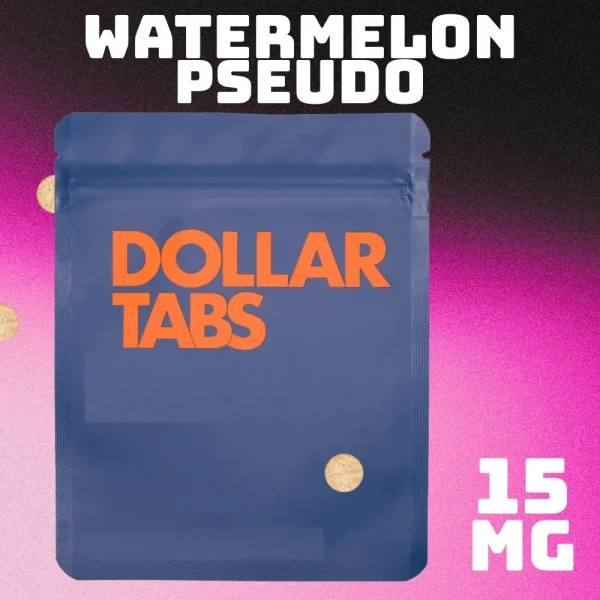
15mg Watermelon Pseudo- 50ct
$110.00 Add to cart -
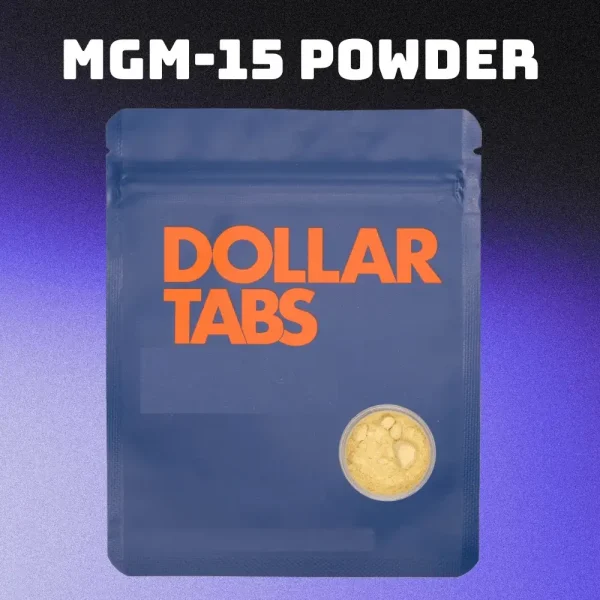
MGM 15 Powder – 1 Gram
$80.00 Add to cart -
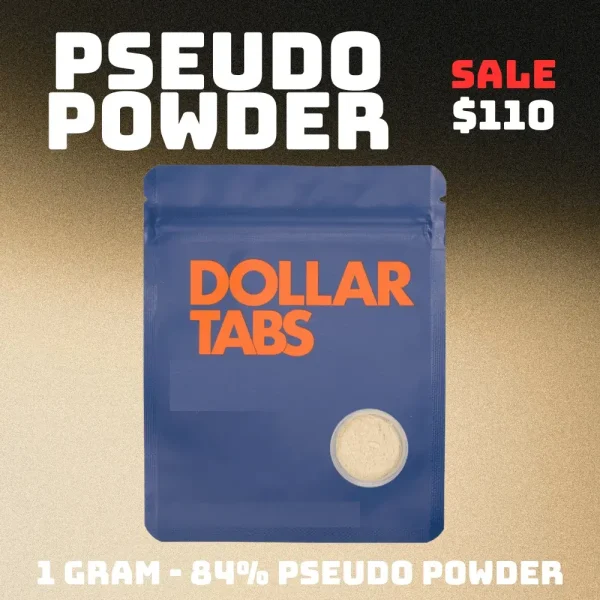
84% Pseudoindoxyl Powder – 1 Gram
$110.00 Add to cart -
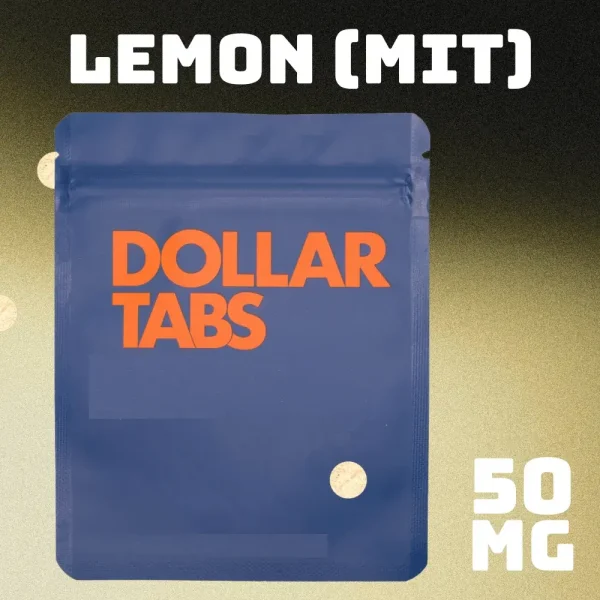
50mg MIT Lemon – 100ct
$129.99 Add to cart -
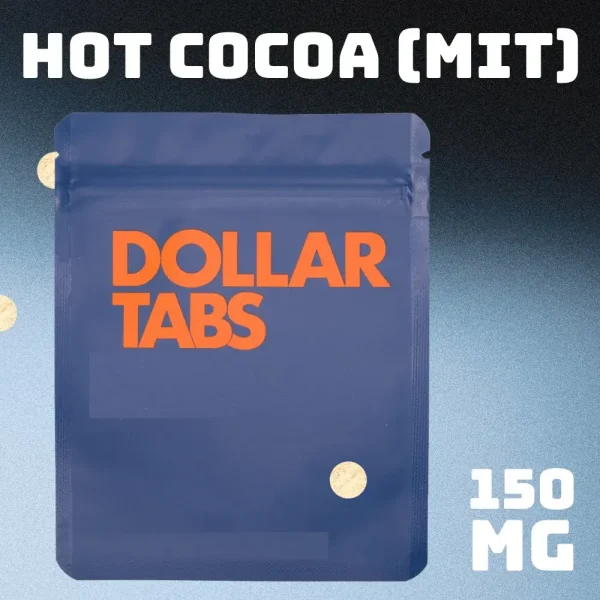
150mg MIT Hot Chocolate – 25ct
$95.00 Add to cart -
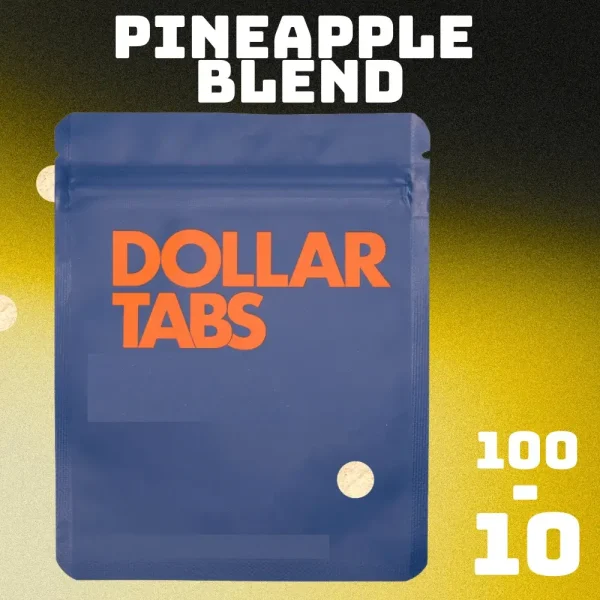
100mg MIT / 10mg Pseudo Pineapple – 25ct
$100.00 Add to cart -
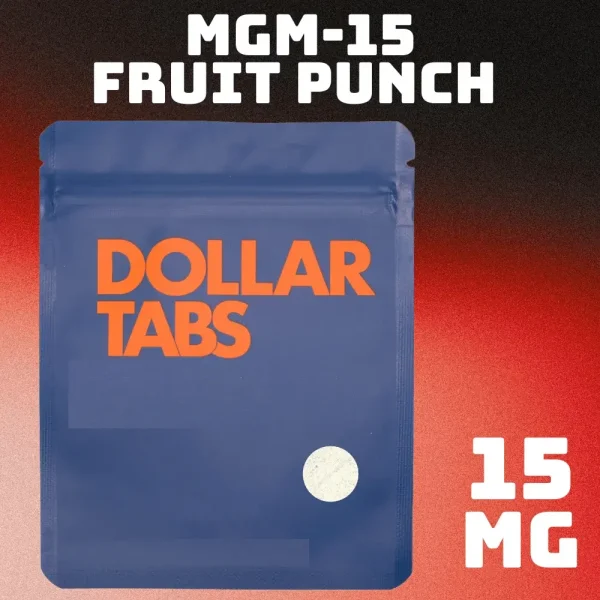
15mg MGM15 Tablets – Fruit Punch (25ct)
$74.99 Add to cart -
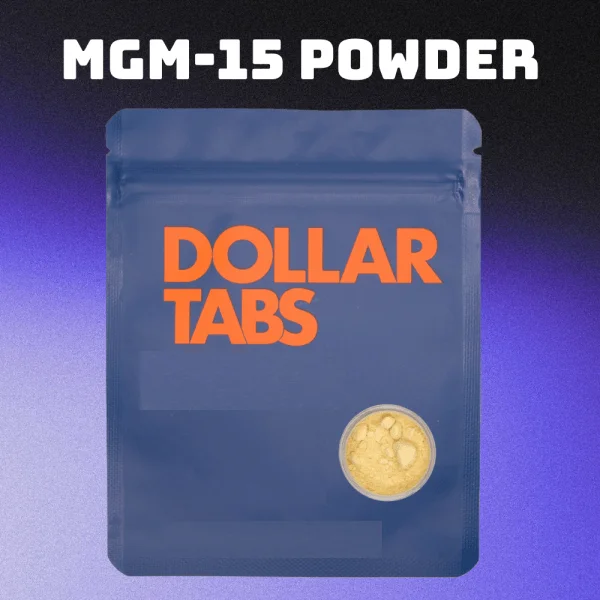
MGM15 Powder
$80.00 Add to cart
The Delivery System: Why Organic Excipient Technology Changes the Equation
What Standard Tablet Binders Do — and What They Miss
A standard kratom extract tablet is made by combining the active compound with a binder — typically microcrystalline cellulose, magnesium stearate, or a similar pharmaceutical filler — and pressing it into shape. The tablet holds together. It dissolves in your gut. Some of the active compound is absorbed. How much depends on gut pH, transit time, enzyme activity, and whether the formulation did anything to protect the alkaloid during that process. Usually it did not.
This is the quiet reason why two tablets with identical milligram labels from different brands can produce noticeably different effects. The dose on the label is theoretical. What reaches the bloodstream is the real number — and for most budget tabs, no one measured it.
How the DollarTab Formulation Addresses This
DollarTabs uses Simply 7OH’s Organic Excipient Technology — a patented bioavailability system licensed from the same supply chain that produces Simply7OH’s premium product line. The system uses food-grade organic excipients specifically selected to protect 7-hydroxymitragynine from acid degradation in the stomach and enhance uptake in the small intestine. The practical result is that more of the active compound in each dollartab reaches systemic circulation compared to a conventionally pressed tablet at the same labeled dose.
This is not a marketing claim — it is the mechanism behind why experienced buyers switching from smoke shop brands to dollartabs report consistent, predictable effects from a single dollartab where they previously needed to experiment with dosing. The delivery system closes the gap between the label and the bloodstream.
Flavoring and Excipients: What Else Is in a DollarTab
Dye-Free Across the Entire DollarTabs Lineup
Every dollartab sold by DollarTabs is dye-free. This is a deliberate formulation decision — not a cost-cutting measure — since synthetic colorants add nothing functional and some buyers have documented sensitivity to common tablet dyes like FD&C Red 40 or Blue 1. The dollartabs flavoring comes from food-grade flavor compounds, not colorant systems.
Current flavors in the dollartabs lineup — Blue Razz, Mixed Berry, and Lemon — use flavor systems that verified buyers describe as clean, not medicinal. Multiple reviews single out the Blue Razz dollartab specifically for being genuinely palatable, not just tolerable. One buyer reviewing the Lemon dollartab noted a stronger aroma than expected but still rated it highly for repeat purchase.
The Nano DollarTab: A Different Delivery Architecture
The Nano dollartab variant uses a nano-particle delivery format rather than the standard Organic Excipient Technology system. Nano-particle formulations reduce active compound particle size significantly — typically to sub-200 nanometer range — which increases surface area and accelerates dissolution rate in the gut. The practical effect is faster onset compared to the standard dollartab, with buyers describing more predictable timing between taking a nano dollartab and feeling the effects.
Whether the standard or nano dollartab format is preferable depends on how the buyer uses it. Users who want the most controlled onset timing favor the nano dollartab. Users who prefer the established formulation track record of the Organic Excipient system tend to stay with the standard dollartab.
Third-Party Verification: How the Ingredient Claims Get Confirmed
Every ingredient claim in a dollartab is independently verifiable. DollarTabs publishes batch-specific Certificates of Analysis (COAs) at dollartabs.com/lab-results. These third-party laboratory documents confirm actual alkaloid concentration per dollartab, purity of the 7-hydroxymitragynine extract, and absence of heavy metals and microbial contamination. The COA is not a brand document — it is produced by an independent testing facility with no financial stake in the dollartabs result.
This matters because the kratom extract tablet market contains numerous products — from MIT45 to Hydroxie to lesser-known regional brands — where potency claims are unverified or where COAs exist but are not batch-specific. A dated, non-batch COA tells you what one sample tested at one time. A current, batch-specific COA on the bag you are actually buying tells you what is in that bag.
Conclusion: Five Ingredient-Based Checks Before You Order Dollartabs
Understanding what is in a dollartab is not just due diligence — it is how you avoid wasting money on products with better packaging than formulation. Here is how to apply that knowledge before your first dollartabs order:
- Pull the batch COA at dollartabs.com/lab-results. Confirm the listed 7-hydroxymitragynine concentration matches 12mg per dollartab before you buy.
- Check for dye disclosures on any tab you currently use. If your existing brand cannot confirm dye-free formulation, the dollartab lineup already has an ingredient advantage.
- Decide between standard and nano dollartab based on your use pattern — faster onset versus established bioavailability system. Both are the same active dose; the difference is delivery architecture.
- Run the medication check first. CYP3A4 inhibition from 7-hydroxymitragynine is an ingredient-level pharmacological fact, not a warning label formality. If you take prescription drugs, talk to a pharmacist before your first dollartab.
- Confirm your state allows kratom-derived products. DollarTabs does not ship dollartabs to Alabama, Arkansas, Indiana, Rhode Island, Vermont, or Wisconsin.
The dollartab costs one dollar because the margin structure is lean — not because the ingredients are. Read the label, verify the COA, understand the delivery system, and the decision makes itself.